

Technological Disruption – Navigating Growth in the Digital Age
- pinco casino
- pin up azerbaycan
- mosbet casino
- mostbet
- snai
- mosbet az
- mosbet
- mostbet казино
- mostbet uz
- mostbet
- mostbet
- mosbet
- mosbet casino
In today’s fast-paced world, economic growth is intricately intertwined with the ever-evolving landscape of technological disruption. As businesses and economies strive to thrive amidst rapid change, understanding the dynamics of growth in such a context becomes paramount. This blog aims to delve into the multifaceted aspects of growth during times of disruption, exploring both the challenges and opportunities that arise.
Setting the Stage
Before diving into the intricacies of navigating disruption, it’s essential to set the stage by understanding the broader context. Economic growth, traditionally driven by established paradigms, now faces unprecedented challenges due to technological disruptions. These disruptions, ranging from advancements in artificial intelligence to shifts in consumer behavior, reshape industries and markets at an unprecedented pace.
Navigating Disruption: Challenges and Opportunities
Amidst disruption lies a myriad of challenges and opportunities for businesses and economies alike. Adapting to the rapid pace of technological change poses significant hurdles, including the need to revamp traditional business models and embrace digital transformation. However, within these challenges lie opportunities for innovation, market expansion, and sustainable growth. By navigating disruption effectively, businesses can position themselves as frontrunners in the new economic landscape.
Understanding the Disruption

In today’s interconnected world, the impact of digital technology reverberates far beyond the borders of advanced economies. Developing economies, in particular, find themselves at a critical juncture as they grapple with the disruptive forces unleashed by technological advancements. This section delves into the profound implications of digital technology on developing economies, highlighting both the challenges and opportunities it presents.
Impact of Digital Technology on Developing Economies
Digital technology has emerged as a powerful catalyst for change, reshaping industries, and redefining economic landscapes. In developing economies, where traditional industries often serve as pillars of growth, the advent of digital technology poses both promise and peril. On one hand, digitalization offers unprecedented opportunities for leapfrogging outdated infrastructure and embracing innovative solutions. From mobile banking in sub-Saharan Africa to e-commerce platforms in Southeast Asia, digital technology has the potential to democratize access to services and drive inclusive growth.
However, the transition to a digital economy is not without its challenges. Developing economies must grapple with issues such as digital infrastructure deficits, skill mismatches, and digital divides that threaten to widen existing inequalities. Moreover, the rapid pace of technological change can exacerbate vulnerabilities, leaving marginalized communities further behind.
Shifting Dynamics in Global Manufacturing
The traditional paradigm of global manufacturing is undergoing a seismic shift, driven by technological advancements such as robotics and automation. Historically, developing economies have leveraged labor-intensive manufacturing as a pathway to economic development and global integration. However, the rise of robotics and automation is reshaping the comparative advantages that underpin global manufacturing dynamics.
As robotics increasingly replaces human labor in manufacturing processes, developing economies risk losing their competitive edge in traditional industries. Industries that were once a mainstay of developing economies, such as textiles and electronics assembly, are now witnessing the encroachment of automation. This poses a pressing challenge for policymakers and industry leaders alike, as they grapple with the implications of automation for employment, economic growth, and global competitiveness.
Yet, amidst these challenges lie opportunities for innovation and adaptation. Developing economies can harness the power of emerging technologies to drive productivity gains, foster industrial diversification, and foster new sources of comparative advantage. By embracing digitalization and investing in skills development, developing economies can position themselves to thrive in an increasingly automated world.
In the subsequent sections, we will explore strategies for navigating these disruptions, from reimagining growth models to fostering digital inclusion and building resilience in the face of change. Stay tuned as we delve deeper into the transformative potential of digital technology and its implications for the future of global manufacturing.
Adapting Growth Strategies
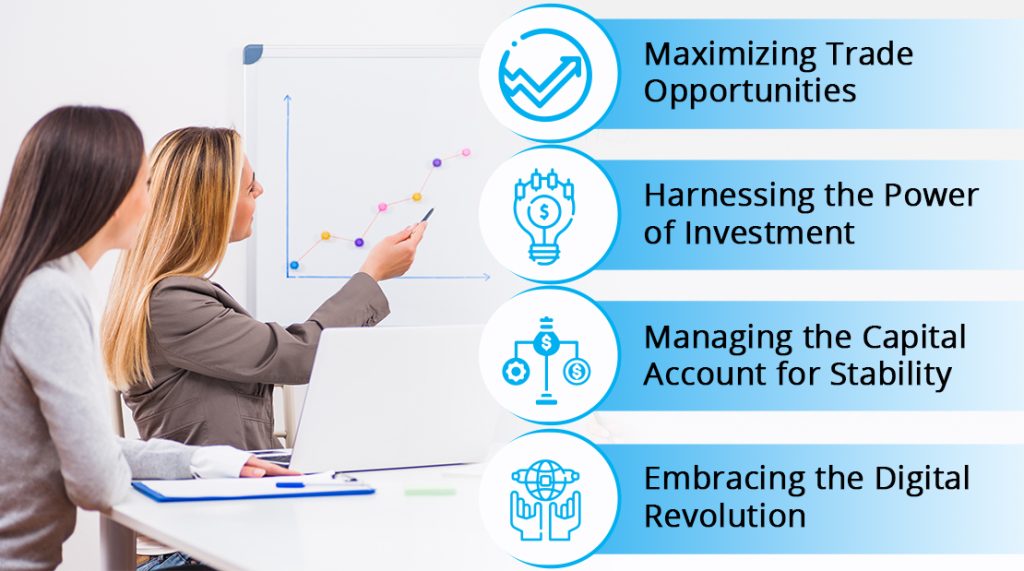
In the face of disruptive technological advancements and shifting global dynamics, developing economies must adapt their growth strategies to thrive in the new economic landscape. This section explores the imperative of adapting growth strategies to navigate disruption effectively.
Maximizing Trade Opportunities
Trade has long been a cornerstone of economic development, offering avenues for growth, job creation, and poverty reduction. In today’s interconnected world, maximizing trade opportunities is more critical than ever for developing economies. This section examines strategies for leveraging trade as a driver of economic growth and prosperity.
Harnessing the Power of Investment
Investment plays a pivotal role in fueling economic growth and development, serving as a catalyst for innovation, infrastructure development, and productivity enhancement. This section delves into the importance of harnessing the power of investment to unlock new avenues for growth and prosperity in developing economies.
Managing the Capital Account for Stability
Effective management of the capital account is essential for ensuring macroeconomic stability and safeguarding against external shocks. This section explores the challenges and opportunities associated with managing the capital account in developing economies, with a focus on promoting stability and resilience in the face of global uncertainties.
Embracing the Digital Revolution
The digital revolution has transformed the global economy, reshaping industries, and redefining business models. In this section, we examine the imperative of embracing the digital revolution as a driver of economic growth and competitiveness in developing economies. From fostering digital inclusion to promoting innovation and entrepreneurship, this section explores strategies for harnessing the transformative potential of digital technology.
Preparing for Change

In an era defined by rapid technological disruption and shifting global dynamics, preparing for change is paramount for developing economies seeking to thrive amidst uncertainty. This section explores the imperative of proactive preparation and strategic foresight in navigating the complexities of a rapidly evolving economic landscape.
Recognizing Opportunities Amidst Disruption
While disruption may pose significant challenges, it also presents unprecedented opportunities for innovation, growth, and transformation. This section delves into the importance of recognizing and capitalizing on opportunities amidst disruption, from identifying emerging markets to embracing new technologies and business models.
Investing in Capacity Building for Digital Innovation
As digital technology continues to reshape industries and redefine economic paradigms, investing in capacity building for digital innovation is essential for building competitive advantage and driving sustainable growth. This section examines strategies for fostering a culture of innovation, investing in digital infrastructure, and developing a skilled workforce capable of navigating the complexities of the digital age.
Transitioning Towards Service-based Economies
As economies evolve, the transition towards service-based economies emerges as a key strategic imperative for developing economies seeking to unlock new sources of growth and competitiveness. This section explores the opportunities and challenges associated with transitioning towards service-based economies, from leveraging emerging trends in technology and consumer behavior to reimagining business models and fostering entrepreneurship.
Ensuring Inclusive Growth Amidst Technological Disruption

Inclusive growth remains fundamental in the digital age, ensuring equitable distribution of the benefits of technological disruption across society. This section examines the importance of prioritizing inclusive growth as a core principle for fostering social cohesion, reducing disparities, and promoting sustainable prosperity in the face of technological disruption.
Addressing Distribution of Gains in the Digital Era
While technological disruption brings opportunities for economic advancement, ensuring equitable distribution of gains is crucial for building resilient and inclusive societies. This section delves into strategies for addressing the distribution of benefits from technological disruption, including initiatives such as equitable access to digital infrastructure, skill development programs for marginalized communities, and policies to mitigate digital divides.
Learning from Mistakes: Lessons from Technological Advancements
Drawing insights from the experiences of early adopters and pioneers in navigating technological disruption offers valuable lessons for developing economies. This section explores key takeaways from the mistakes and successes of advanced economies in managing technological advancements, from issues like data privacy breaches to challenges in regulating emerging technologies. By learning from these experiences, developing economies can chart a more sustainable and inclusive path towards embracing technological disruption for growth and development.
Promoting Sustainable Growth

Sustainable growth is imperative for ensuring the well-being of current and future generations, striking a balance between economic prosperity, environmental stewardship, and social equity. This section explores the importance of promoting sustainable growth as a guiding principle for economic development, highlighting the interplay between economic, environmental, and social factors.
Building Resilience for Long-Term Prosperity
Building resilience is essential for navigating the complex and interconnected challenges of the 21st century, from climate change and natural disasters to economic volatility and geopolitical instability. This section examines strategies for building resilience for long-term prosperity, from strengthening social safety nets and disaster preparedness to diversifying economies and fostering adaptive capacity.
Fostering Entrepreneurship

Entrepreneurship serves as a driving force for innovation, job creation, and economic growth, empowering individuals to pursue their passions and create value in society. This section explores the importance of fostering entrepreneurship as a catalyst for economic development, highlighting the role of entrepreneurs in driving productivity gains, fostering competitive markets, and addressing societal challenges.
Policy Support for Entrepreneurial Activity
Effective policy support is essential for creating an enabling environment that empowers entrepreneurs to thrive. This section delves into strategies for providing policy support for entrepreneurial activity, from streamlining business regulations and reducing bureaucratic barriers to access to finance and investment incentives. By implementing conducive policy frameworks, governments can unleash the entrepreneurial potential of their citizens and foster vibrant startup ecosystems.
Facilitating Flows of Information and Talent
Access to information and talent is critical for fostering innovation and entrepreneurship, enabling entrepreneurs to access markets, resources, and expertise. This section examines the importance of facilitating flows of information and talent, from promoting digital literacy and internet connectivity to fostering collaboration and knowledge exchange through networking events, incubators, and accelerators. By breaking down barriers to information and talent mobility, countries can create dynamic ecosystems that fuel entrepreneurial success and economic growth.
Conclusion
In conclusion, navigating growth in a time of disruption requires a multifaceted approach that embraces innovation, resilience, and inclusivity. Developing economies stand at a pivotal moment in history, poised to harness the transformative power of technological disruption and drive sustainable, inclusive growth for the benefit of all.
By adapting growth strategies to the realities of the digital age, maximizing trade opportunities, and harnessing the power of investment, developing economies can unlock new pathways to prosperity. Embracing the digital revolution, fostering entrepreneurship, and promoting sustainable development offer further avenues for unlocking economic potential and fostering long-term resilience.
Moreover, ensuring inclusive growth, addressing the distribution of gains, and learning from the mistakes of advanced economies are essential for building societies that are equitable, resilient, and sustainable. By prioritizing social equity and environmental stewardship, developing economies can empower their citizens, strengthen their economies, and build a prosperous future for generations to come.
Read more – Maximizing Cyber Security Solutions